Haiku Society of America Region
~ ~ ~
Southeast Region
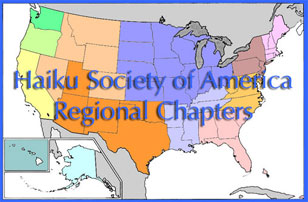
This region includes Alabama, Florida, Georgia, Puerto Rico, South Carolina, and the United States Virgin Islands.
The Southeast region welcomes all poets as we build haiku-related activities throughout our territory. Several fine haiku poets can be found in our sunny locales.
Regional activities in recent years have included meetings in Atlanta and Orlando, as well as events at several venues in Alabama. In Tuscaloosa, Alabama, the annual Sakura Festival has been promoting haiku through an annual contest since 1991.
Jump in and get involved! For more information, please visit our Haiku Society of America SE Region page on Facebook, or contact the Southeast regional coordinator.
Regional Links
Southeast Region Facebook Page
http://www.facebook.com/pages/Haiku-Society-of-America-SE-Region/234714809947784Alabama State Poetry Society
http://alabamapoets.org/Alabama Writers' Conclave
http://www.alabamawritersconclave.org/
~ ~ ~
SAVE THE DATE: Saturday April 26, 2025 2 pm Eastern Time (Zoom Event)
“Ekphrastic Haiku - A Workshop”, presented by Peggy Hale Bilbro, will explore this innovative genre of haiku in an informative, interactive exercise. Simply put, Ekphrasis is the Greek word for “description”. In this case, an Ekphrastic haiku is used to describe a specific piece of art i.e. paintings, sculpture, films and more broadly music, poetry, and everything in between.
Mark your calendars and make plans now to attend.
~ ~ ~
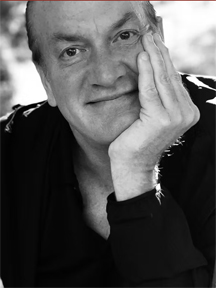 Jamie Wimberly